How to stay healthy while traveling in cold weather
Cold weather travel presents a double challenge to your health: the stress of travel itself weakens the immune system, and exposure to cold temperatures, dry airplane air, and crowded indoor spaces increases the risk of illness. Traveling during flu season, especially, requires a proactive approach to wellness.
Immune Defense and Hygiene: The Essentials 🛡️
Your first line of defense against the seasonal sniffles and travel bugs.
1. Master the Microbe Zone (Airplanes and Transit)
Airplanes and trains are petri dishes for germs. Your goal is to minimize direct contact and surface contamination.
- **Sanitize Your Seat:** Carry **disinfecting wipes** and wipe down hard, high-touch surfaces immediately upon boarding (armrests, tray tables, seatbelt buckles, and IFE screens).
- **Hand Hygiene is King:** Use **alcohol-based hand sanitizer** immediately after touching public surfaces, especially before eating. Wash hands thoroughly and frequently, particularly after using the restroom.
2. Boost Your Intake
Travel fatigue and reduced sunlight weaken the immune system. Compensate with smart dietary choices and supplements.
- **Vitamin D:** Winter travel means less sun. Consider taking a **Vitamin D supplement** to support your immune system, especially if you’re traveling to higher latitudes.
- **Zinc and Vitamin C:** Pack **zinc lozenges** (shown to potentially reduce the duration of a cold if taken early) and supplement Vitamin C.
- **Probiotic Power:** Travel often disrupts gut health. Taking a **daily probiotic** can help keep your digestive system balanced, which is directly linked to immune function.
Public Health Expert Tip: Nasal Rinsing
“The single most effective trick many long-haul travelers use is the **saline nasal spray or rinse**. Dry cabin air and cold temperatures dry out the nasal passages, making them more vulnerable to viruses. A saline spray keeps the mucus membranes moist and can help flush out trapped airborne pathogens immediately after a flight or a crowded event.” (Source: Travel Health Specialist Journals)
Hydration and Environmental Control 💧
Cold air, central heating, and airplanes are all extremely drying. Dehydration is a major cause of winter travel malaise.
1. The Hydration Misconception
In cold weather, you don’t feel as thirsty as in summer, but your body is still losing moisture (especially through breathing and rapid temperature changes).
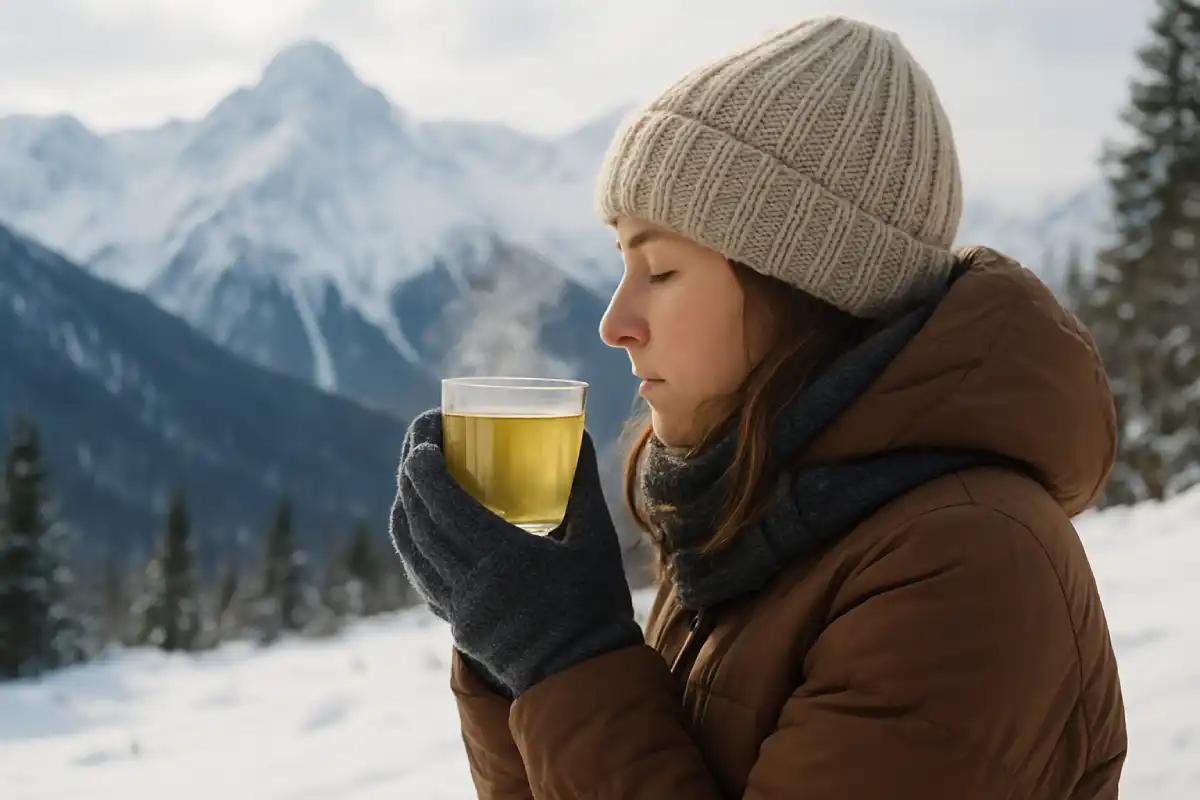
- **Drink Warmly:** Carry a **reusable thermos** and fill it with hot water, herbal tea, or local broths. Warm liquids are more comforting and can encourage consistent intake.
- **Avoid Dehydrators:** Minimize your intake of **alcohol and caffeine** on travel days, as they accelerate fluid loss.
2. Protect Your Skin and Lungs
The sudden shift to dry, heated indoor air can cause skin cracks and irritate airways.
- **Lip and Skin Barrier:** Use a heavy, petroleum-based **lip balm** and a thick, non-water-based **moisturizer** (especially on hands) to prevent windburn and cracking.
- **Eye Drops:** Pack **moisturizing eye drops** to combat the dry air on airplanes and in over-heated hotel rooms.
3. Prioritize Sleep
Sleep is when your body repairs and regenerates immune cells. Travel fatigue is a major immune suppressant.
- **Adjust Quickly:** Use your **sleep mask and earplugs** to force yourself onto the destination’s time zone as quickly as possible. Even small 20-minute naps can help fight early jet lag without disrupting the night’s sleep.
Frequently Asked Questions About Winter Travel Health
Should I take a flu shot if I’m traveling during the winter?
Yes. If your travel dates fall within the flu season (typically October through March in the Northern Hemisphere), most health authorities strongly recommend getting the **flu vaccine** at least two weeks before departure. This is especially true if you will be in crowded public spaces like airports and museums.
Do I really need to wash my hands so often?
Yes, especially when traveling. Most common respiratory and gastrointestinal illnesses are spread through hands touching contaminated surfaces and then touching the face. Because cold weather keeps people indoors and in closer proximity, the spread rate is higher. Diligent handwashing is the single best preventative measure.
How does layering clothing actually help me stay healthy?
Layering prevents two health risks: **hypothermia** (staying too cold) and **illness from sweating**. Sweating profusely and then cooling down quickly, especially in cold air, drastically drops your core temperature and weakens your immune defenses. Layers allow you to regulate temperature perfectly, preventing both extreme cold and excessive sweating.
Is it true that being cold makes me sick?
Cold itself does not cause colds or the flu (viruses do). However, **exposure to extreme cold stresses the body**, causing blood vessels to constrict and redirect resources to maintaining the core temperature. This temporary suppression of the immune system can make your body less effective at fighting off viruses you are already exposed to.
What is a good emergency travel medicine kit for winter?
A basic kit should include: **pain relievers** (like ibuprofen), **antihistamines** (for unknown allergens), a small amount of **cold/flu symptom relief** medication, **digestive aids** (like antacids or anti-diarrhea pills), and any prescription medication you need for the duration of the trip plus a week extra.
Conclusion: Prioritize Prevention, Not Cure 🎯
Traveling during the colder months requires a heightened awareness of self-care. By prioritizing immune support through supplements, maintaining vigilant hygiene in transit, and ensuring consistent hydration, you can significantly reduce the risks associated with cold weather travel. Remember that prevention is always easier and far cheaper than dealing with a travel-disrupting illness abroad. Stay warm, stay clean, and enjoy your healthy winter journey.