Forest bathing in snowy landscapes
**Forest bathing**, or *Shinrin-Yoku*, is the practice of spending time in a forest environment, consciously connecting with nature through the five senses. While often associated with the lush greenery of summer, the practice takes on a profoundly unique and potent character when performed in a **snowy landscape**. The cold, the silence, and the stark beauty of a winter forest amplify the therapeutic benefits, offering a powerful antidote to winter blues and holiday stress.
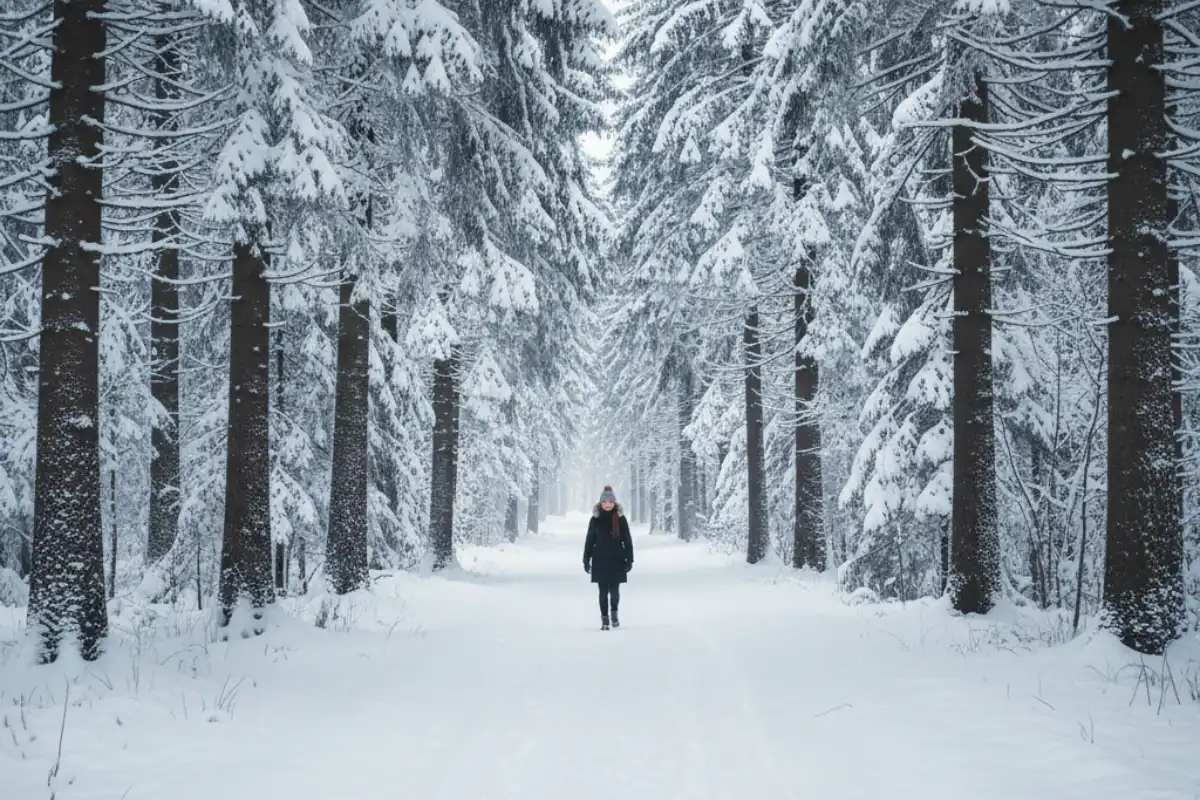
The Unique Therapeutic Benefits of Snowy Shinrin-Yoku
The transition to a cold, snow-covered environment enhances the core benefits of nature therapy:
1. Amplified Silence and Mental Clarity
Snow is an excellent sound absorber. The winter forest is quieter than any other season, reducing ambient noise pollution to near-zero. This deep silence encourages profound **mindfulness** and allows for a clearer focus on subtle senses (smell of pine, sound of crunching snow). Scientific studies link time spent in silent nature to reduced rumination and improved cognitive function.
2. Enhanced Immune Response
The primary benefit of forest bathing is exposure to **phytoncides** airborne chemicals emitted by trees, particularly conifers. While some studies suggest phytoncide concentrations might be lower in winter, the cold exposure itself (known as hormesis) can stimulate the immune system, leading to a synergistic effect. Research shows that exposure to phytoncides increases the count and activity of **Natural Killer (NK) cells**, crucial for fighting off viruses and tumor cells, providing a natural boost during the peak cold and flu season.
3. Improved Mood and Vitamin D
Exposure to natural light, even on a cloudy winter day, is vital for regulating the circadian rhythm and combating **Seasonal Affective Disorder (SAD)**. A mindful walk in the snow maximizes light absorption compared to staying indoors, improving energy levels and mood.
Traveler’s Insights: Mastering the Winter Walk ❄️
Advice from those who practice *Shinrin-Yoku* in cold climates focuses heavily on preparation and intentionality:
- **Layering is Non-Negotiable:** “Never let your focus on senses be broken by discomfort. Hypothermia starts with wet feet. Always wear multiple **wool or synthetic layers** and high-quality, waterproof boots. You should feel slightly cool when you start moving, not warm.” (Source: Outdoor Wellness Journal)
- **The Slow Pace Rule:** The goal of forest bathing is not exercise. Move extremely slowly. Pay attention to the feeling of **crunching snow** underfoot, the scent of the cold air, and the texture of bark. This mindful pace prevents overheating and allows for deeper sensory immersion.
- **Bring Warmth:** Carry a thermos of hot herbal tea. A short, warming break where you sit quietly and sip something hot can be a powerful sensory anchor in the cold.
Guided Practice Tip: The Sense of Touch
“In the snow, visual stimuli are muted. Focus on touch. Gently run your gloved hand over the rough bark of a pine tree or feel the cold, soft texture of fresh snow. This grounding tactile input is key to bringing your mind fully into the present moment and away from distractions.” (Source: Certified Forest Therapy Guide Workshop)
Practical Application for a Snowy Walk
- **Choose Conifers:** Forests dominated by evergreens (pine, spruce, fir) are ideal, as they retain their foliage and continue to emit high levels of phytoncides in winter.
- **Leave the Tech:** If you must carry your phone for safety, keep it silenced and hidden. Use a regular timepiece for time checks. The goal is to disconnect from digital noise.
- **Duration:** Aim for a session of **45 to 90 minutes**. This is long enough to trigger the beneficial physiological changes (like the NK cell boost) but short enough to avoid fatigue or excessive chilling.
Frequently Asked Questions About Winter Forest Bathing
Is it safe to practice Shinrin-Yoku alone in the snow?
It is generally safer to practice with a companion or a guide in snowy conditions, especially on unfamiliar trails. Snow can conceal ice, trip hazards, or obscure paths. Always inform someone of your route and estimated return time.
What is the ideal time of day for forest bathing in winter?
The best time is often late morning or early afternoon (10 AM – 2 PM). This timeframe typically offers the warmest temperatures, maximizing comfort, and the sunniest light, which is crucial for mood enhancement and visibility.
Do I need to worry about the scent of the forest in winter?
The scent is still present but different. It may be less floral and more dominated by the sharp, clean aroma of pine sap, freezing earth, and damp moss. Focus on noticing this subtle, crisp scent, as it is a key element of the therapy.
How does cold exposure benefit the Shinrin-Yoku experience?
The mild stress of cold exposure (hormesis) causes the body to work harder to maintain temperature. This metabolic process, combined with the relaxing effect of the forest, has been linked to increased adrenaline, endorphin release, and a heightened sense of alertness and well-being after the session.
Is winter forest bathing safe for people with respiratory issues?
The clean, filtered air of the winter forest is usually beneficial. However, very cold air can trigger spasms in those with asthma. If you have severe respiratory conditions, cover your mouth and nose with a scarf or neck gaiter to warm the air before inhaling, and consult your doctor first.
Conclusion: Finding Peace in the Winter Woods ✨
Forest bathing in snowy landscapes is a powerful practice that distills the essence of *Shinrin-Yoku*. The cold, the quiet, and the visually simplified environment encourage a deeper, more intentional connection with nature. By preparing properly for the chill and embracing the mindful slowness, you can tap into the profound restorative potential of the winter woods, emerging refreshed, focused, and naturally fortified against the season’s demands.