Best Things to Do in Reykjavik: Nature, Food & Culture
Reykjavik, the capital of Iceland, is a city unlike any other. It’s a place where urban life coexists with raw, dramatic nature, serving as the perfect gateway to the country's breathtaking landscapes. From its colorful downtown to the famous Northern Lights, Reykjavik offers a unique blend of adventure, culture, and relaxation. While Iceland has a reputation for being an expensive destination, smart planning can make a visit to its capital surprisingly affordable. This 2025 guide provides essential tips on how to explore Reykjavik on a budget, covering cheap accommodation, food, transport, and key safety advice.
A City of Fire and Ice
Reykjavik’s compact and colorful city center is a delight to explore on foot. It’s filled with unique street art, quirky cafes, and vibrant nightlife. Beyond the city, you can easily access Iceland’s most famous natural wonders, including geysers, waterfalls, and the chance to see the elusive Northern Lights. This guide will help you experience the best of Reykjavik’s culture and natural surroundings while keeping your travel expenses in check.
Reykjavik’s Top Sights for First-Timers
Iconic Sights:
- Hallgrímskirkja Church: A stunning, modernist church that offers a panoramic view of the city from its tower.
- The Northern Lights: Visible from late September to mid-April. While they can sometimes be seen from the city, for the best view, it’s recommended to take a tour to an area with less light pollution.
- The Golden Circle: While not in Reykjavik, this popular day trip from the city includes the Gullfoss waterfall, the Geysir geothermal area, and Þingvellir National Park.
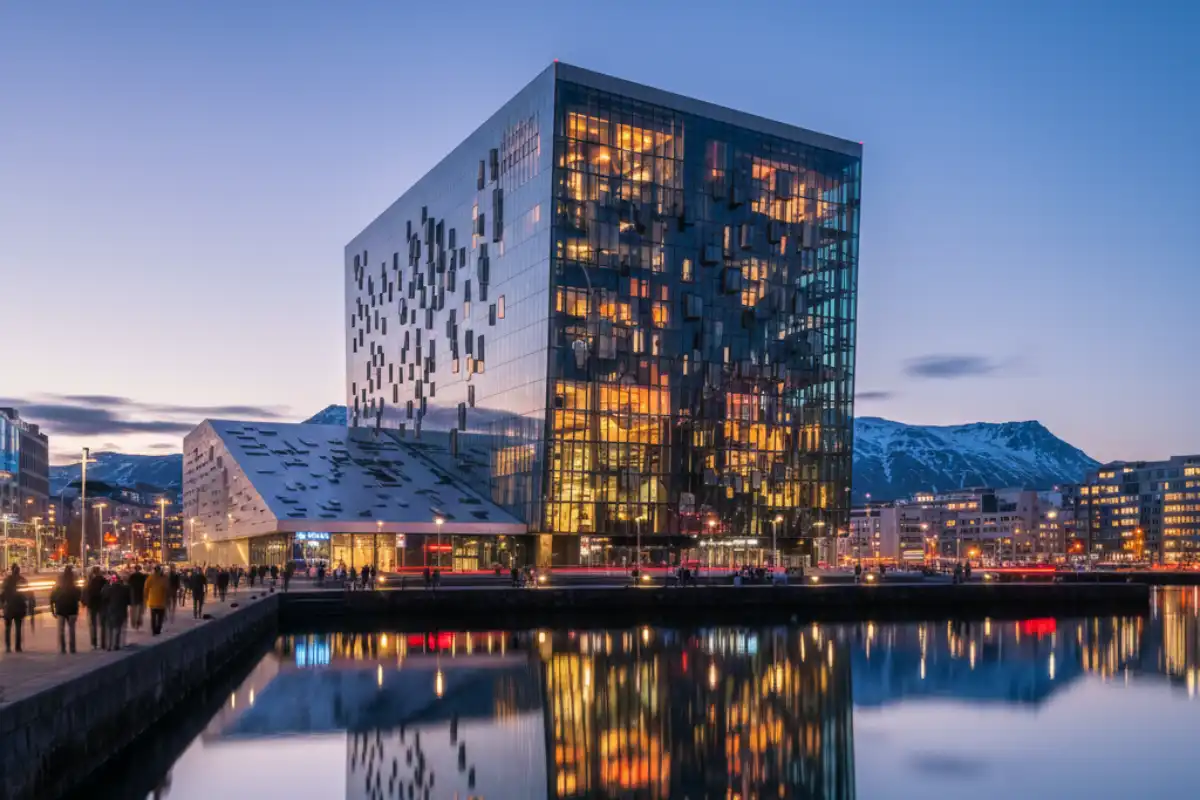
- Harpa Concert Hall: An architectural gem on the harbor. Its glass facade is a sight to behold, especially at night.
Budget-Friendly Tip: Many of Reykjavik’s best experiences are free. Stroll through the city center, walk along the coastline to see the Sun Voyager sculpture, or hike up Öskjuhlíð Hill for views of the city.
1. The Cost of a Bed: Budget-Friendly Accommodation
Iceland is known for its high prices, and accommodation is no exception. Hostels are the most budget-friendly option, with some offering free breakfast or kitchen facilities to help you save on food. Booking well in advance is highly recommended.
Hostel & Budget Accommodation Prices by Area (Average per night for a dorm bed, October 2025)
| Area | Description | Average Price (USD/night) | Pros for Budget Travelers |
|---|---|---|---|
| City Centre (e.g., Downtown Reykjavik) | The central hub, close to shops, restaurants, and nightlife. | $45 – $75+ | Convenient location for exploring. Prices are the highest here. |
| Hlíðar (e.g., Bus Hostel) | Slightly outside the immediate city center, but still very accessible. | $35 – $60 | More affordable options and a more relaxed atmosphere. |
| Laugardalur (e.g., Dalur Hostel) | A greener, more residential area with sports facilities and a large park. | $30 – $55 | Cheapest prices, a quieter environment, and easy bus access to the center. |
Note: Prices are estimates for a dorm bed. Weekend prices and last-minute bookings can be significantly higher.
Tips for Saving on Accommodation:
- Choose a Hostel with a Kitchen: This allows you to cook your own meals, which is a major money-saver in Reykjavik.
- Consider University Housing: During the summer, some university dorms become available as budget accommodation.
2. Eating on a Dime: Reykjavik’s Budget Food Scene
Eating out in Reykjavik can be very expensive. The key to staying on budget is to shop at supermarkets and seek out local, affordable eateries.

Estimated Budget Food Costs (October 2025):
- Breakfast: £5 – £10 ($6 – $12 USD) for a coffee and a pastry or a simple breakfast from a supermarket.
- Lunch: £10 – £20 ($12 – $24 USD) for a hot dog, sandwich, or soup from a casual spot.
- Dinner: £20 – £40 ($24 – $48 USD) for a meal at an inexpensive restaurant.
- Daily Budget for Food: £40 – £60 ($48 – $72 USD) is a reasonable budget if you’re cooking some meals and eating out occasionally.
Budget Eating Tips:
- Shop at Supermarkets: Bonus and Krónan are the cheapest supermarkets in Iceland. Stock up on groceries for breakfast and lunch.
- Try a Pylsur (Hot Dog): The famous Icelandic hot dog from the stand “Bæjarins Beztu Pylsur” is a must-try and one of the cheapest meals in town.
- Look for Street Food & Cafes: Places like Icelandic Street Food or noodle shops offer hearty and relatively affordable meals.
3. Getting Around: The Cost of Public Transit
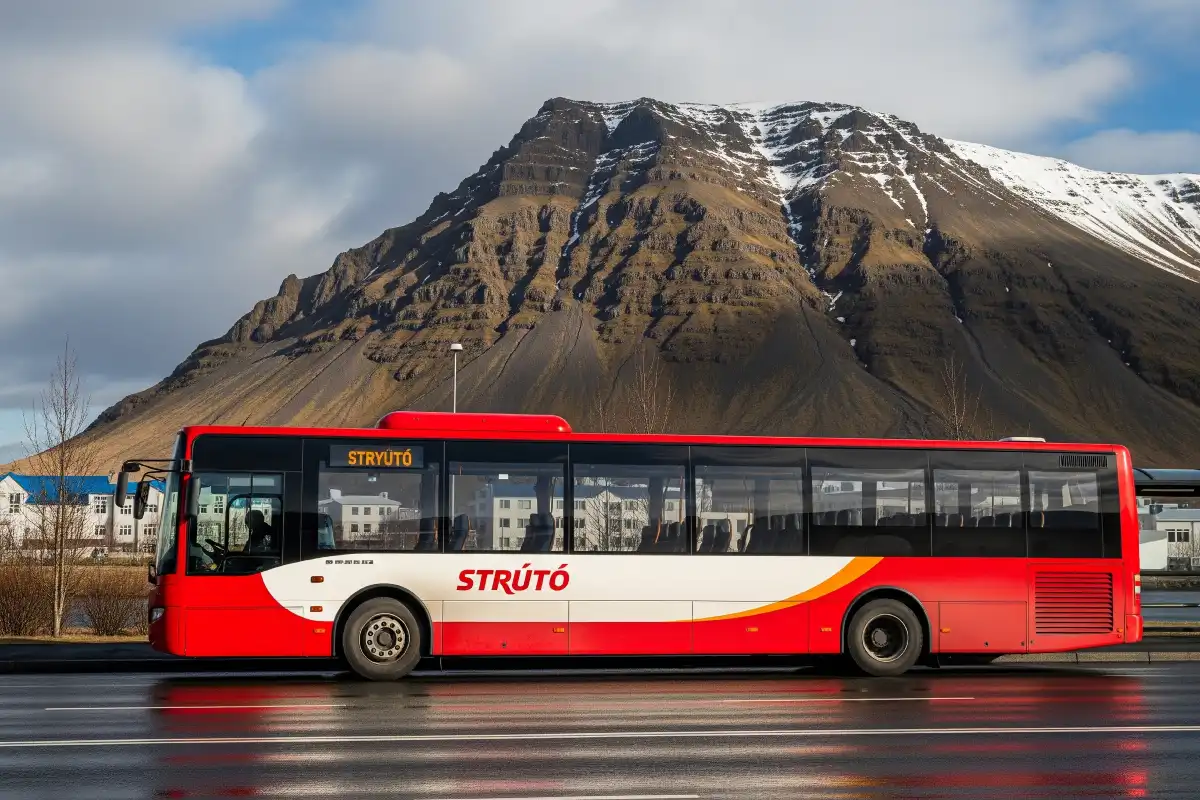
Reykjavik’s city center is very walkable, and most of the main attractions are within a compact area. Public transport is a good option for longer distances or for traveling from the airport.
Fares (As of October 2025, subject to minor changes):
- Single Bus Ticket: Approximately 670 ISK ($4.80 USD). You need to pay with the Klappið app or an exact cash fare.
- 24-Hour Pass: 2,650 ISK ($19 USD). This is a great value if you plan on using the bus multiple times in one day.
- Airport Transfer: The Flybus and Airport Express shuttle services are the easiest way to get from Keflavík International Airport to Reykjavik. A one-way ticket costs around 2,400-3,500 ISK ($17-$25 USD).
Tips for Transportation:
- Walk: Your feet are your best mode of transport in the city center. It’s the best way to soak in the atmosphere.
- Use the Klappið App: This app allows you to buy single tickets and passes, making it easy to pay without needing exact change.
4. Staying Safe: Dangers, Scams, and Areas to Avoid
Iceland is consistently ranked as one of the safest countries in the world. However, tourists should be aware of a few environmental and social risks.
Common Dangers & Scams:
- Petty Crime: While rare, opportunistic petty theft, such as pickpocketing, can occur in crowded areas or on public transport. Be vigilant and keep your belongings secure.
- Natural Dangers: The most significant dangers in Iceland are natural. Be aware of unpredictable weather, volcanic activity, and dangerous waves on black sand beaches. Always follow local authorities’ advice and check weather and road conditions before traveling outside the city.
Areas to Be Cautious Of:
- Nightlife areas: Reykjavik’s nightlife can get rowdy on weekend nights. While generally safe, be aware of your surroundings and avoid isolated areas.
- Volcanic/Geothermal Areas: Always stick to marked paths in these areas due to the danger of hot springs or unstable ground.
General Safety Advice:
- Respect the Weather: Icelandic weather can change in an instant. Always dress in layers and carry waterproof clothing, even if the sun is shining.
- Don’t Drive Off-Road: This is illegal and dangerous due to Iceland’s fragile ecosystem.
- Emergency Numbers: Police/Ambulance/Fire 112.
5. Ensuring a Positive & Unforgettable Reykjavik Trip
Reykjavik is a city of unique experiences. Embracing the local culture and natural surroundings will make your trip unforgettable.
- Embrace the “Laugars”: Visit a public swimming pool or geothermal bath. It’s a key part of Icelandic culture and an affordable way to relax. The Blue Lagoon is famous but expensive; consider a local pool like Laugardalslaug for a more authentic and budget-friendly experience.
- Drink the Tap Water: Iceland’s tap water is some of the purest in the world. Bring a reusable bottle to fill up for free and save money on bottled water.
- Book Tours in Advance: Especially for popular attractions like the Northern Lights or the Blue Lagoon, booking well ahead is crucial.
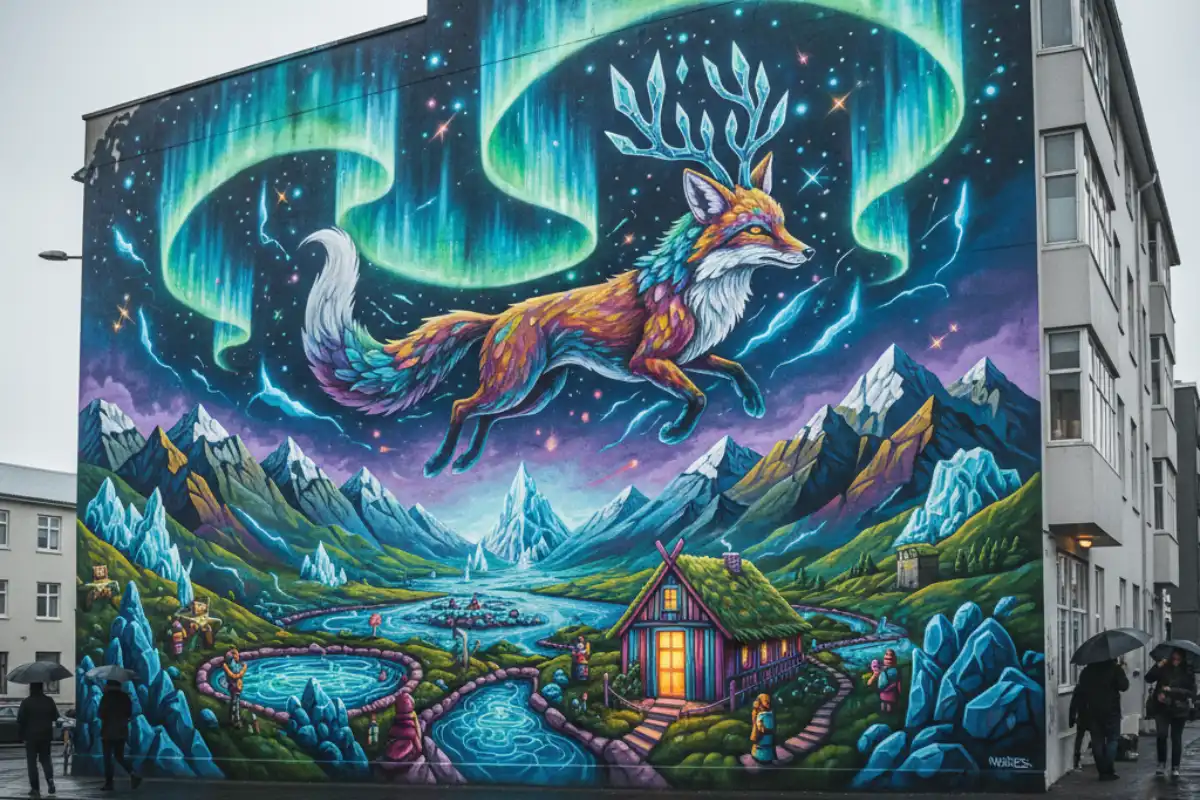
- Explore the Street Art: Reykjavik is famous for its vibrant street art. Take a walk through the city to discover some of the best murals.
6. Reykjavik Travel FAQs (October 2025)
What is the currency in Iceland?
The currency is the Icelandic Króna (ISK). Credit cards are widely accepted everywhere, and many places don’t even accept cash, so you may not need to withdraw any currency.
How can I get from Keflavík International Airport to the city center?
The most popular and cost-effective ways are the Flybus or Airport Express shuttles. They are reliable and run in conjunction with flight schedules.
Is Reykjavik a walkable city?
Yes, the city center is very compact and is best explored on foot. For longer distances, the public bus system is efficient and easy to use.
Are there any free things to do in Reykjavik?
Yes, many of the best sights are free! You can explore the city’s street art, walk along the harbor, visit the Hallgrímskirkja Church (entry is free, but the tower has a fee), and hike up Öskjuhlíð Hill.
What is the best way to see the Northern Lights?
To increase your chances, it’s best to join a Northern Lights tour from Reykjavik. These tours take you away from the city’s light pollution and to an area with the best viewing conditions. They also provide information and context about the aurora borealis.
Your Reykjavik Adventure Awaits!
Reykjavik is a city of stunning beauty and unique character. With these budget tips, you’re ready to explore this incredible capital without breaking the bank. Enjoy the adventure!
Start Planning Your Reykjavik Trip