Best Neighborhoods in Toronto for Food & Culture
Toronto is a city of neighborhoods, a vibrant mosaic of cultures and communities. Its diversity is its greatest strength, and exploring its distinct areas is the best way to get a true feel for the city. This 2025 guide highlights some of Toronto's best neighborhoods for food and culture, providing essential tips on budget travel, from finding affordable hostels to eating like a local, ensuring a fantastic and authentic trip.
A Melting Pot of Flavors and Art
Toronto is one of the world’s most multicultural cities, a fact that is most evident in its food and cultural scene. From bustling food markets to street art-filled alleys, each neighborhood tells a different story. While Toronto can be expensive, a smart approach to travel allows you to dive into its rich tapestry without breaking the bank.
Top Neighborhoods for Food & Culture
Here are a few of the best neighborhoods to explore for a truly authentic Toronto experience.
1. Kensington Market
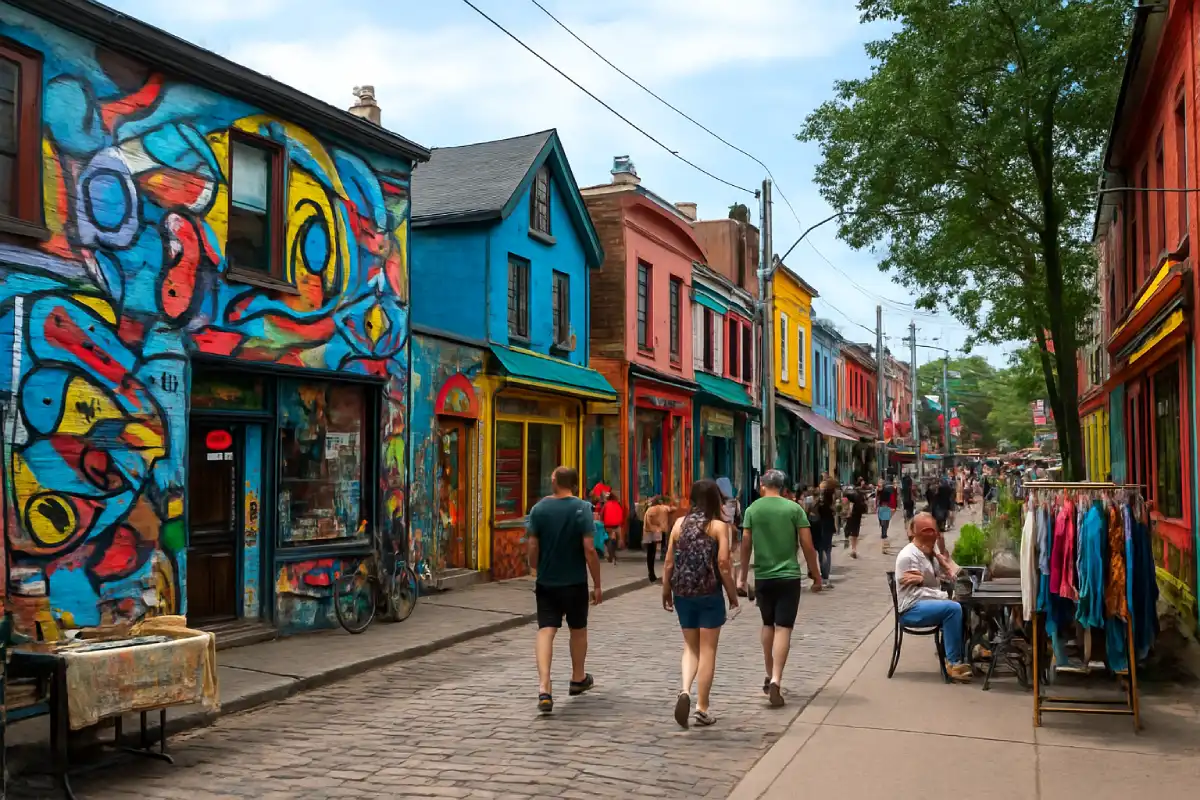
- Why it’s great: This is arguably Toronto’s most eclectic and bohemian neighborhood. It’s a National Historic Site filled with vintage shops, independent cafes, and an array of international food vendors. It’s a sensory overload in the best way possible.
- Food & Culture: Wander through the market to find everything from delicious tacos to authentic Jamaican patties. The streets are a canvas for incredible street art and murals.
2. The Distillery District
- Why it’s great: A pedestrian-only village that was once a large whiskey distillery. It’s now a hub for art galleries, artisan shops, and stunning Victorian industrial architecture.
- Food & Culture: The area is known for its upscale dining, but you can find more affordable options. It’s a great place to simply walk around and soak in the atmosphere, and in summer, it hosts various art and food festivals.
3. Little Italy (College Street West)
- Why it’s great: One of Toronto’s most historic immigrant neighborhoods, Little Italy is a charming area with a laid-back vibe, filled with cafes, pizzerias, and gelaterias.
- Food & Culture: While its Italian heritage is at the forefront, the area has diversified. It’s a great spot to grab a cheap espresso, a delicious slice of pizza, or a pint at a local pub.
4. Chinatown (Spadina Avenue)
- Why it’s great: A vibrant, bustling area with an incredible variety of food options. From dim sum to street food, this neighborhood is a foodie’s paradise.
- Food & Culture: You can find some of the city’s most affordable and delicious food here. The atmosphere is energetic, with shops selling everything from fresh produce to unique trinkets.
1. The Cost of a Bed: Budget-Friendly Accommodation
Toronto’s accommodation can be pricey, but hostels offer an excellent alternative. Most budget options are concentrated in or near the downtown core, offering great access to the city’s best neighborhoods.
Hostel & Budget Accommodation Prices by Area (Average per night for a dorm bed, August 2025)
| Area | Description | Average Price (CAD/night) | Pros for Budget Travelers |
|---|---|---|---|
| Downtown/City Centre | Central districts near major attractions like the CN Tower and Queen Street West. | $40 – $70 | Walkable to many sights, excellent public transport links. |
| Kensington Market/Chinatown | Eclectic and vibrant, close to top food spots and cultural sites. | $35 – $60 | Great value, authentic local vibe, and a wide array of cheap eats. |
Note: Prices are estimates for a dorm bed. Booking well in advance is essential to secure these rates, especially during peak season.
Tips for Saving on Accommodation:
- Stay in Hostels: Hostels like Planet Traveler Hostel or Samesun Toronto are highly-rated and a great way to meet fellow travelers.
- Check for Free Breakfast: Many hostels include a simple breakfast, which is a big money-saver in an expensive city.
2. Eating on a Dime: Toronto’s Budget Food Scene
Toronto’s multicultural food scene makes it easy to eat well without spending a fortune. Avoid fancy restaurants and focus on ethnic eateries, food trucks, and local markets.

Estimated Budget Food Costs (August 2025):
- Breakfast: CAD 5 – CAD 12 ($3.70 – $8.80 USD) for a coffee and pastry from a cafe.
- Lunch: CAD 10 – CAD 18 ($7.30 – $13 USD) for a takeaway from a food truck or a budget eatery. A classic peameal bacon sandwich at St. Lawrence Market is a must-try.
- Dinner: CAD 15 – CAD 30 ($11 – $22 USD) at a casual ethnic restaurant.
- Daily Budget for Food: CAD 30 – CAD 50 ($22 – $37 USD) is a reasonable budget for a traveler focused on saving money.
Budget Eating Tips:
- Explore Kensington Market & Chinatown: These neighborhoods are packed with cheap, delicious food options, from food stalls to small family-run restaurants.
- Visit St. Lawrence Market: This is a must-visit for food lovers. You can get a cheap, filling lunch and sample local delicacies without a hefty price tag.
- Cook at Your Hostel: Buying groceries from a supermarket like Loblaws or Metro and cooking your own meals will drastically cut down on costs.
3. Getting Around: The Cost of Public Transit
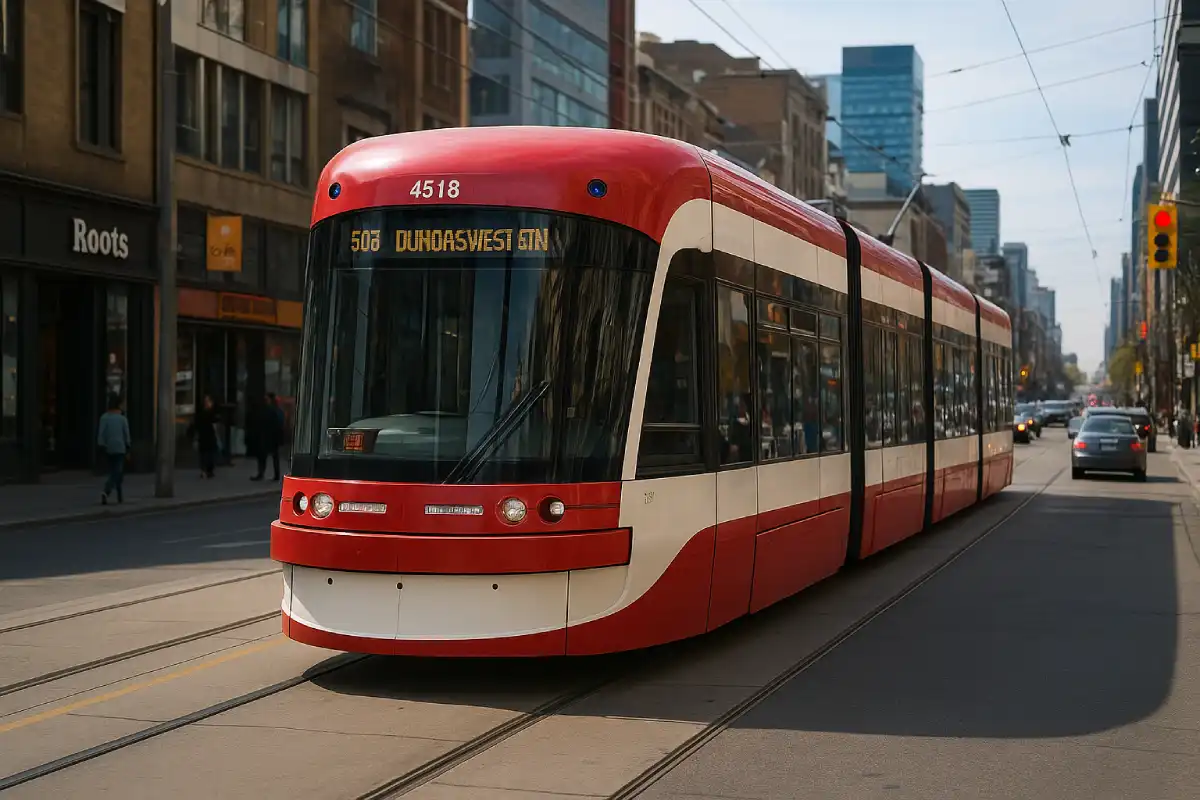
Toronto’s public transport system, the TTC (Toronto Transit Commission), consists of subways, streetcars, and buses. It is an efficient way to get around the city, especially between neighborhoods.
Fares (As of August 2025, subject to minor changes):
- Single Fare (PRESTO Card): CAD 3.30 ($2.40 USD). You must pay with a PRESTO card or contactless credit/debit.
- PRESTO One-Ride Ticket: CAD 3.35 ($2.45 USD).
- PRESTO Day Pass: CAD 13.50 ($9.90 USD). This is the best value if you plan to use transit more than a few times.
Tips for Transportation:
- Get a PRESTO Card: A PRESTO card is the most convenient way to pay. You can buy one at a subway station and load it with money.
- Walk within Neighborhoods: Once you get to a neighborhood, the best way to explore is on foot. Many of Toronto’s best neighborhoods are very walkable.
4. Staying Safe: Dangers, Scams, and Areas to Avoid
Toronto is generally a very safe city for tourists. The crime rate is low, and you can feel comfortable exploring its neighborhoods. However, being a large city, it’s wise to be aware of your surroundings.
Common Dangers & Scams:
- Pickpocketing: Be cautious in crowded areas, especially on busy public transport and at major tourist attractions.
- Immigration Scams: Be wary of anyone posing as an official demanding money. Government officials will never ask for payment on the street.
- Unlicensed Taxis: Always use a licensed taxi or a ride-hailing app like Uber or Lyft to avoid being overcharged.
Areas to Be Cautious Of:
- Late at Night in Less-Traveled Areas: While generally safe, some areas of the city are best avoided late at night, especially alone. Stick to well-lit, populated streets.
General Safety Advice:
- Walk Confidently: Toronto is a city where you can generally feel safe.
- Keep an Eye on Your Belongings: Simple vigilance goes a long way. Don’t leave your phone or wallet unattended.
- Emergency Numbers: Police/Ambulance/Fire 911.
5. Ensuring a Positive & Unforgettable Toronto Trip
A trip to Toronto is about more than just sightseeing it’s about immersing yourself in the city’s culture. Here’s how to make it great:
- Embrace Diversity: Be open to trying different cuisines and exploring different cultures. That’s what Toronto is all about!
- Enjoy the Parks: Toronto has many beautiful parks, like High Park, where you can relax, have a picnic, and escape the city buzz for free.
- Take a Free Walking Tour: Many groups offer free walking tours of different neighborhoods. This is a great way to get an insider’s view of the city’s history and culture.
- Plan Ahead: Toronto is a big city. Planning your day’s itinerary by neighborhood will save you time and money on transport.
6. Toronto Travel FAQs (August 2025)
What is the currency in Toronto?
The currency is the Canadian Dollar (CAD). Credit and debit cards are widely accepted everywhere, and many places are becoming cashless, so carrying cash isn’t always necessary.
Is Toronto an expensive city to visit?
Toronto can be expensive, particularly for accommodation and dining. However, by staying in hostels, using public transport, and seeking out budget-friendly food options, you can have a great trip without overspending.
How can I get from Toronto Pearson Airport to downtown?
The UP Express train is the fastest and most convenient option, taking 25 minutes to get to Union Station downtown. A cheaper but longer alternative is to take the TTC bus from the airport to a subway station.
Do I need to speak French in Toronto?
No, Toronto is in the English-speaking province of Ontario, and English is the primary language spoken everywhere. You do not need to speak any French.
Are there any free attractions in Toronto?
Yes, many of Toronto’s best experiences are free! You can wander through Kensington Market, explore Graffiti Alley, relax in High Park, or simply walk through the different neighborhoods to soak in the atmosphere. The Art Gallery of Ontario (AGO) also has free admission on Wednesday evenings.
Explore Toronto’s Vibrant Heart!
Toronto’s charm lies in its diverse, walkable neighborhoods. By venturing beyond the main tourist sites, you can discover a city rich in culture and flavor, all while sticking to a budget. Enjoy your trip!
Start Planning Your Toronto Trip