Backpacking Europe on a Budget: Your Ultimate Guide to Affordable Adventures
Europe, with its rich history, diverse cultures, and breathtaking landscapes, beckons travelers from around the globe. While often perceived as an expensive destination, exploring its iconic cities and hidden gems on a budget is not only possible but incredibly rewarding. This ultimate guide will equip you with savvy strategies, practical tips, and real-world advice to make your European backpacking dreams a budget-friendly reality.
Phase 1: Smart Planning & Budgeting (Before You Go!)
The key to affordable backpacking in Europe starts long before you pack your bags. Strategic planning is paramount.
1. Choose Your Destinations Wisely
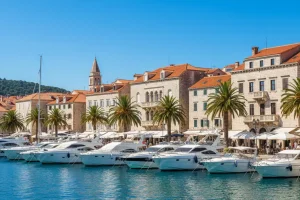
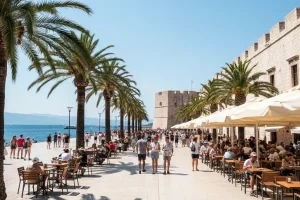
- Eastern & Central Europe are your friends: Countries like Poland, Hungary, Czech Republic, Portugal, Bulgaria, and the Balkan states (Croatia, Serbia, Bosnia & Herzegovina) offer incredible experiences at a fraction of the cost of Western European giants like France, Switzerland, or Scandinavia.
- Mix and Match: If you dream of Paris or Rome, balance those expensive stops with more budget-friendly cities or rural areas.
Real-World Saving:
“My first European trip focused on Western Europe, and my wallet cried. My second, I spent two weeks exploring Budapest, Krakow, and Prague for less than a week in Paris, and I loved every minute!” – Chloe, a seasoned backpacker.
2. Master Cheap Flights
- Be Flexible with Dates & Airports: As covered in previous guides, flexibility is king. Fly mid-week, during the off-season, and consider smaller, secondary airports (e.g., instead of London Heathrow, try Stansted or Luton).
- Utilize Budget Airlines: Ryanair, Wizz Air, EasyJet, Vueling, and others offer incredibly cheap fares within Europe. Just be aware of their **strict baggage rules** and other fees. Pack only a personal item if possible!
- Set Price Alerts: Use tools like Skyscanner, Google Flights, and Momondo to track fares and get alerts when prices drop for your desired routes.
3. Consider a Rail Pass vs. Point-to-Point Tickets
- Interrail/Eurail Pass: If you plan on visiting many countries by train, a pass can be economical. However, do the math! Factor in mandatory seat reservation fees, especially for high-speed trains.
- Point-to-Point Tickets: For fewer, longer journeys, or if you’re sticking to one region, individual tickets booked well in advance can often be cheaper, especially on national rail websites.
- Bus Travel: For the absolute cheapest land travel, consider intercity buses like FlixBus. They might take longer but offer significant savings.
Phase 2: Budget Accommodation Hacks
Where you sleep can be one of your biggest expenses. Here’s how to keep it low-cost.
4. Embrace Hostels
- Dorms are cheapest: Staying in a dormitory is the most budget-friendly option. Look for reputable hostels on Hostelworld, Booking.com, or directly on their websites.
- Hostel Perks: Many hostels offer free breakfast, communal kitchens (huge for saving on food!), free walking tours, and social events.
- Read Reviews: Always check reviews for cleanliness, safety, location, and atmosphere.
Experienced Backpacker’s Wisdom:
“I’ve stayed in dozens of hostels across Europe. The best ones aren’t just cheap; they have amazing common areas where you can meet people, a well-equipped kitchen, and sometimes even free pasta nights!” – Leo, long-term backpacker.
5. Consider Alternatives
- Couchsurfing: Stay for free with locals. It’s a fantastic way to experience local culture, but requires flexibility and good communication. Always check host reviews.
- Airbnb (Private Rooms/Entire Apartments): While not always “budget,” you can find private rooms for reasonable prices, especially if traveling with a partner. Apartments with kitchens save you money on eating out.
- Camping: For rural areas or specific events (like festivals), camping can be an incredibly cheap option.
Phase 3: Eating & Exploring Without Overspending
Food and activities can quickly eat into your budget. Be savvy!
6. Self-Cater & Picnic Power
- Supermarkets are your best friend: Buy groceries and cook your own meals in hostel kitchens. This is by far the biggest food saver.
- Picnics: Grab bread, cheese, cured meats, fruit, and wine from a local market and enjoy a scenic picnic in a park or by a landmark. It’s affordable and authentic.
- Avoid Tourist Traps: Restaurants right next to major attractions are almost always overpriced and often lower quality. Walk a few blocks away for better value.
Foodie on a Budget:
“My favorite budget hack in Europe is hitting up local markets. Fresh produce, amazing cheeses, and bread for pennies! I cooked gourmet dinners in hostel kitchens for a fraction of restaurant prices.” – Sophia, a culinary adventurer.
7. Embrace Free & Low-Cost Activities
- Free Walking Tours: Many cities offer “free” (tip-based) walking tours. They’re an excellent way to get acquainted with a city and learn about its history.
- Museum Free Days/Hours: Many museums have specific days or hours where entry is free or heavily discounted. Check their websites in advance.
- Parks & Public Spaces: Europe’s cities are full of beautiful parks, squares, and public spaces perfect for people-watching and relaxing.
- Walk Everywhere: Not only is it free, but walking is the best way to discover hidden alleys, charming cafes, and local life.
8. Look for City Passes (Do the Math!)
Some cities offer tourist passes that include public transport and entry to multiple attractions. Do the math to see if it genuinely saves you money based on what you plan to see and do.
Phase 4: Savvy Money Management On The Road
How you handle your money while traveling directly impacts your budget.
9. Avoid ATM Fees & Exchange Rates
- Travel-friendly debit cards: Get a debit card that offers no foreign transaction fees and ideally reimburses ATM fees (e.g., Revolut, Wise, Schwab Investor Checking in the US).
- Withdraw larger sums: Minimize ATM visits to reduce per-transaction fees.
- Pay in local currency: When paying with a card, always choose to be charged in the local currency (EUR, PLN, CZK etc.), not your home currency. Your bank will give you a better exchange rate.
10. Track Your Spending
Use a simple spreadsheet or a budgeting app (like Wallet, Tripcoin) to keep track of your daily expenses. This helps you identify where your money is going and adjust your spending habits.
Frequently Asked Questions About Budget Backpacking in Europe
Got more questions? Here are answers to common queries for budget-conscious European adventurers.
What’s a realistic daily budget for backpacking in Europe?
This varies significantly by region. For Eastern/Central Europe, you can often manage on **€30-€50 per day** (hostel dorms, self-catering, free activities). For Western Europe, **€60-€90 per day** is more realistic, and major cities like Paris or Amsterdam might require **€100+** if you’re not extremely strict.
Do I need a Eurail Pass?
Not always. A Eurail (or Interrail for European residents) Pass is great for extensive train travel across many countries. However, for a few long journeys, or if focusing on specific regions (where budget flights or buses might be cheaper), buying individual tickets in advance can be more economical. Always compare the cost of point-to-point tickets vs. the pass plus reservation fees for your specific itinerary.
How can I save money on food without eating instant noodles every day?
Cook meals at your hostel, pack picnics, buy snacks from supermarkets, look for “lunch specials” or “menu del día” in restaurants, and grab street food where safe and available. Avoid eating out for every meal, especially dinner in tourist areas.
Is it safe to hitchhike in Europe to save on transport?
While some travelers do hitchhike, it carries inherent risks and is not recommended for safety reasons, especially for solo travelers. Stick to public transport (trains, buses) or ridesharing apps (like BlaBlaCar in some regions) for safer and generally reliable budget options.
What’s the best time of year to backpack Europe on a budget?
The **shoulder seasons (April-May and September-October)** are ideal. The weather is pleasant, crowds are thinner than peak summer, and prices for flights and accommodation are significantly lower. Winter (November-March) can be even cheaper, but some attractions might have reduced hours, and the weather can be very cold, especially in Northern/Eastern Europe.