How to Prepare for a Day Hike
A day hike is a fantastic way to connect with nature, get some exercise, and clear your mind. Whether you’re a beginner or an experienced hiker, proper preparation is the key to a safe and enjoyable trip. The difference between a great hike and a miserable one often comes down to what you have or don’t have in your backpack. From the right gear to understanding the trail, a little planning goes a long way. This guide will walk you through **how to prepare for a day hike**, sharing essential advice from seasoned hikers and outdoor experts to ensure you're ready for whatever the trail throws at you.
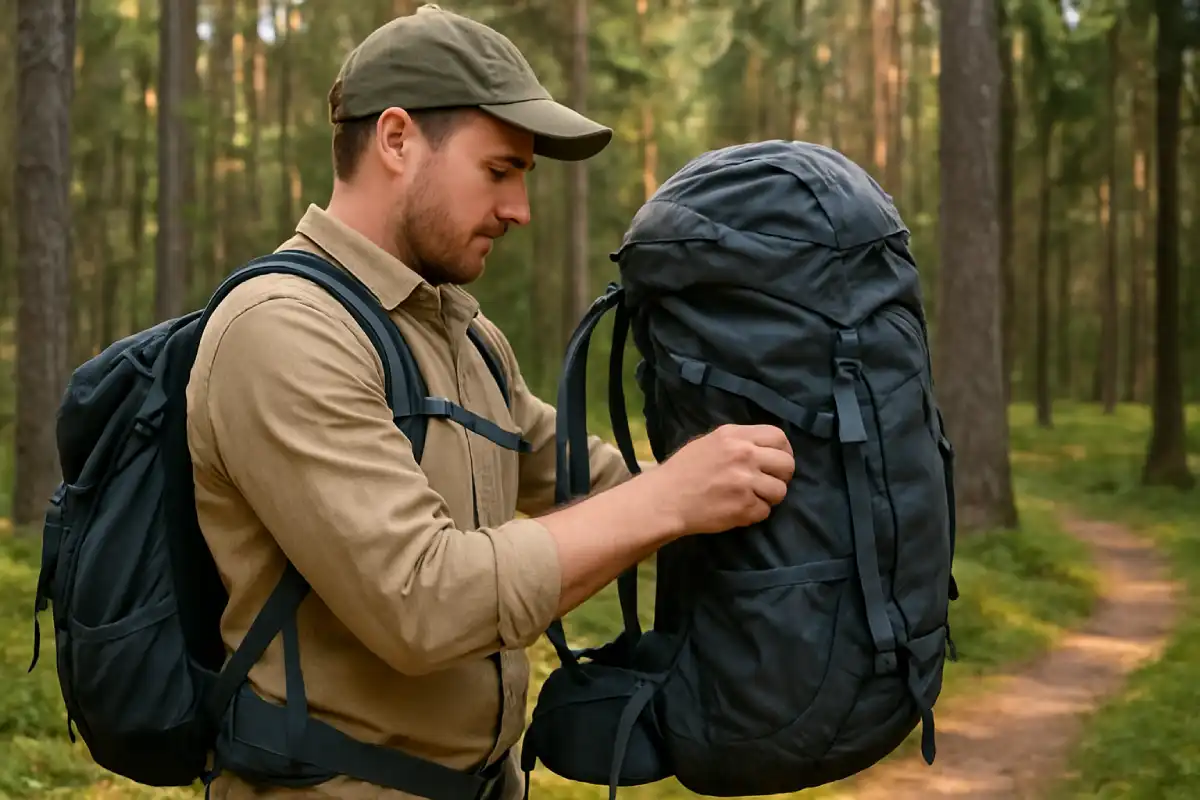
The Pre-Hike Checklist: Essentials for Success ✅
Your safety and comfort depend on having the right gear. Here are the most important things to consider before you leave home.
1. Pack the “Ten Essentials” 🎒
For decades, outdoor professionals have recommended carrying a set of “Ten Essentials.” This list is a framework for what you need to survive a potential emergency.
- **Navigation:** Map, compass, and/or a GPS device.
- **Sun Protection:** Sunscreen, hat, and sunglasses.
- **Insulation:** Extra layers of clothing.
- **Illumination:** Headlamp or flashlight.
- **First-Aid Supplies:** A personal first-aid kit.
- **Fire:** Waterproof matches, lighter, or fire starter.
- **Repair Kit and Tools:** A multi-tool or knife.
- **Nutrition:** Extra food beyond what you’ll need for the hike.
- **Hydration:** Water and a filter or purification tablets.
- **Emergency Shelter:** A space blanket or a tarp.
2. Wear the Right Clothing and Footwear 👟
Cotton is a hiker’s worst enemy. It holds moisture and can lead to hypothermia. Wear **synthetic or wool fabrics** that wick away sweat. For footwear, choose comfortable, broken-in hiking shoes or boots. Blisters are a common cause of a ruined hike. Wear moisture-wicking socks to keep your feet dry.
Experienced Hiker’s Insight: Mark, from a Hiking Forum
“I learned the hard way about not bringing enough water. I now carry a water filter on every hike, even short ones. You never know when you might get lost or when a hot day will turn into an emergency. It’s a simple piece of gear that can save your life.”
Planning Your Hike and Staying Safe 🗺️
Knowing the trail and its conditions is just as important as your gear.
1. Check the Weather and Trail Conditions 🌤️
A beautiful day can turn into a dangerous one in minutes. Check the weather forecast for the specific area you’ll be hiking in, not just the nearest city. Also, check for trail closures, warnings about wildlife, or fire alerts. Knowing the conditions will help you make a smart decision about your gear and itinerary.
2. Tell Someone Your Plan 🗣️
This is a non-negotiable rule. Even for a short hike, you should **tell someone where you are going and when you expect to be back**. If something goes wrong, this information could be the key to a quick rescue. Give them your specific trail name, the name of the park, and your planned route.
3. Hike with a Buddy and Stay on the Trail 🚶♂️
Hike with a friend whenever possible. If you are solo, be extra cautious. Always stay on the marked trail. Going off-trail can lead to you getting lost, damaging the environment, or getting hurt. The trail is there for a reason it’s the safest and most efficient way to get to your destination.
Search and Rescue Expert’s Advice: Jane, a Park Ranger
“The most common reasons we have to rescue people are getting lost and not having enough water or warm clothing. All of these problems are easily solved with a little bit of planning. You can have the most fun on a hike when you know you’re prepared for anything.”
Frequently Asked Questions About Day Hiking
What is a good distance for a beginner’s day hike?
For a beginner, a hike of 2 to 5 miles (3 to 8 km) with minimal elevation gain is a great starting point. Focus on getting comfortable with your gear and your fitness level before attempting longer or more difficult trails. It’s better to have a short, successful hike than a long, painful one.
What kind of food should I bring?
Bring food that is lightweight, easy to pack, and high in energy. Good options include trail mix, energy bars, sandwiches, and fresh fruit. Pack more food than you think you will need, just in case. And remember to pack out all of your garbage.
Should I use a walking stick or poles?
Hiking poles are not essential, but they are highly recommended. They can improve your balance on uneven terrain, reduce the impact on your knees, and help you conserve energy. If you don’t have poles, a sturdy stick from the trail can also be a helpful tool.
What if I encounter wildlife?
The key is to stay calm. Do not approach or feed wildlife. Give them a wide berth. If a large animal, like a bear, is on the trail, make noise and back away slowly without turning your back. Most animals want to avoid you as much as you want to avoid them.
How can I prevent blisters?
Blisters are caused by friction and moisture. Wear non-cotton, moisture-wicking socks. Make sure your shoes are a good fit and broken in before your hike. If you feel a “hot spot” on your foot, stop immediately and put a piece of moleskin or a blister bandage over it before it turns into a full blister.
Conclusion: Enjoy the Journey, Stay Prepared
A day hike is a simple pleasure that can be incredibly rewarding. By taking the time to prepare properly, you’re not just ensuring your safety; you’re also setting yourself up for a more enjoyable experience. From the right gear to a simple plan, every step you take in preparation allows you to focus on the beauty of nature and the joy of the journey. So, grab your backpack, tell a friend your plan, and hit the trail with confidence.